
How To Make Basketball Parlay Picks
A basketball parlay combines two or more NBA or NCAAB picks into one wager, giving players a shot at a much larger payout when every leg wins. The upside is easy to see: odds multiply. The catch is just as simple: if one selection misses, the entire ticket loses, even if every other leg comes through.
Parlays.Org has created this guide to break down how to combine basketball bets, compare top USA-friendly sportsbooks with current bonuses, understand hoops-specific settlement rules, and use strategies that make sense for both experienced bettors and casual players. Whether you are mapping out NBA parlays or building college hoops tickets during March Madness, you will find examples, payout math, mobile tips, and sportsbook insights designed for USA players.
Best Online Basketball Parlay Betting Sites For 2026
Get the highest basketball parlay odds at the following reputable online sportsbooks. Most of these sites offer up to 12 legs with some incredible payouts if you hit all 12 bets. Our most recommended site is Bovada, a top-notch sportsbook that also offers casino and poker action.
New players get a 50% bonus up to $1000, and some of the best betting options and lines in the business. We invite our readers to check out all the following online sportsbooks to investigate the benefits each offers.
| Site Name | 4 Team Parlay Payout | Bonus | USA? | Visit Site |
|---|---|---|---|---|
| Bovada Sportsbook | $100 Bet Wins $1258.45 | 50% Max $1,000 |  | Play Now |
| Bookmaker Sportsbook | $100 Bet Wins $1228 | 100% Max $400 | | Play Now |
| Betonline Sportsbook | $100 Bet Wins $1200 | 50% Max $250 | | Play Now |
| Sportsbettingag | $100 Bet Wins $1200 | 50% Max $250 | | Play Now |
What Are Basketball Parlays?
Basketball parlays combine multiple individual wagers, also called legs, into one ticket. Every leg must win to cash. Depending on the sportsbook, those legs can include moneylines, point spreads, totals, player props, team totals, quarter bets, or same-game selections.
The appeal is the way the odds stack. Instead of placing three separate $100 bets on three games, a gambler can tie those picks together and let the prices multiply. That creates a payout far larger than the return from a single wager.
The tradeoff is risk. If one leg loses, the whole parlay loses, no matter how many other picks were right. That high-risk, high-reward setup is why these tickets are so popular with players chasing bigger returns from smaller stakes. As more outcomes are added, the potential cash prize climbs quickly, but the chances of winning drop just as fast.
Basketball parlays remain especially popular because the sport offers so many ways to build a ticket. NBA and college hoops markets now include spreads, totals, props, live betting, quarter lines, half lines, and same-game options. Since online basketball sportsbooks vary in the number of legs, available odds, and bet types they allow, comparing books before locking in a ticket can make a real difference.
Key Rules
Parlay rules are similar across most sportsbooks for hoops, but small differences in settlement can matter. Before placing a ticket, players should know how the book handles pushes, overtime, props, and correlated legs.
Standard Settlement
All legs must win for the bet to cash. If any single leg loses, the full ticket loses, regardless of how many other selections hit. That all-or-nothing format is what creates the bigger payout and the added risk. Most sportsbooks calculate the combined odds by converting each leg to decimal format, multiplying them together, and then displaying the final price in American odds.
Push Handling
If one leg results in a push, such as a tie against the spread, that leg is usually removed, and the odds are recalculated. A four-leg ticket with one push typically becomes a three-leg ticket with adjusted odds.
Overtime and Regulation Settlement
For basketball, most sportsbooks settle full-game point spreads and totals, including overtime, unless the market is clearly marked “regulation only.” That detail can decide a ticket. If you bet Lakers -5 and they are up by 4 after regulation but lose in overtime, the spread leg loses.
If they win by 6 after OT, the spread leg wins. Moneyline bets also include overtime unless stated otherwise.
Player props for points, rebounds, and assists usually settle based on full-game performance, including overtime. Some sportsbooks may offer regulation-only props during the playoffs, so players should always check the market label.
Minimum and Maximum Legs
Most US-facing sportsbooks require at least two legs. Maximum leg counts usually range from 10 to 20, depending on the sportsbook, sport, and bet type. Combination wagers can often reach 15 legs at premium books, though 10+ leg tickets carry implied win probabilities below 1%, making them extremely difficult to hit.
Correlated Legs and Restrictions
Some sportsbooks restrict or void parlays with highly related outcomes, such as pairing a game total over with the moneyline for the team most likely to drive the scoring. These limits are used because correlated bets can reduce the sportsbook’s risk exposure. Always review the bet slip before confirming to make sure every leg has been accepted.
NBA Parlay Strategies and Picks
Winning NBA parlays requires more than picking teams you like. Strong players shop lines, understand game scripts, choose legs carefully, and know which bet types offer the best value. The NBA season also gives bettors more options than ever, especially in player props and quarter-by-quarter betting.
Line Shopping Across Sportsbooks
Line shopping is one of the easiest ways to improve value. Basketball odds vary by sportsbook, so having accounts at multiple operators gives gamblers more chances to find a better number.
A half-point might not look like much on one spread, but across three or four legs, it can be the difference between a losing ticket and a winning one. If the Lakers are -5.5 at one book and -5 at another, the -5 line is more valuable. Over time, those small edges can compound into better returns.
Player Props and Stacking
Player props have become a major part of NBA parlay betting because they give bettors more control over the story they are trying to play. Common prop legs include points, rebounds, assists, threes, steals, blocks, or combined stats.
A typical 2026 NBA ticket might pair LeBron James over 24.5 points, Luka Doncic over 8.5 assists, and Jayson Tatum over 6.5 rebounds. These selections might each sit near -110, but once combined, the multiplied odds create a much more rewarding payout.
Experienced bettors also stack props from the same game when the selections support the same game script. For example, a player might include Jayson Tatum over 26.5 points, Jaylen Brown over 5.5 assists, and the Celtics over 115.5 team points. If both Celtics stars play well, the team total is more likely to climb with them. Sportsbooks often price these markets individually, and spotting those relationships can create stronger same-game tickets.
Game Script and Pace Analysis
Smart leg building starts with the likely game script. Is the matchup expected to be a fast-paced shootout, a defensive grind, or a one-sided blowout? If both teams rank highly in pace, prop overs, and game total overs, the script may fit. If two slow, defensive teams meet, overs become harder to trust, even with elite scorers on the floor.
Blowout risk also matters. When a favorite is likely to pull away, stars may play fewer fourth-quarter minutes. In those spots, first-half props, first-half spreads, or team-based angles can be cleaner than full-game player overs.
Round-Robins and Hedging
Round-robin parlays create several smaller combinations from one set of picks. If you choose Celtics, Heat, and Suns, a round-robin creates three separate two-leg bets: Celtics-Heat, Celtics-Suns, and Heat-Suns. That gives bettors a chance to cash if some, but not all, of the picks win. A round robin can reduce the risk of one missed leg wiping out every possible return.
Hedging can also be useful when a ticket is close to cashing. If three legs out of four have already won and the final leg is still pending, a player can bet the opposite side to lock in some kind of return. For example, if the last leg feels shaky, placing $300 on the opposing outcome can reduce risk. If the final leg wins, you win, and the hedge loses. If the final leg loses, the hedge offsets part of the loss.
Mixing Favorites and Underdogs
A balanced combination often includes a mix of favorites and underdogs. Three moneyline legs with 7-to-10-point favorites are easier to hit than three spread legs, but they pay less. Adding one plus-money underdog can boost the return without turning the whole ticket into a long shot.
For example, players might combine one heavy favorite at -200, one standard spread at -110, and one underdog moneyline at +150. That structure balances risk and payout better than forcing every leg into the same category.
Examples
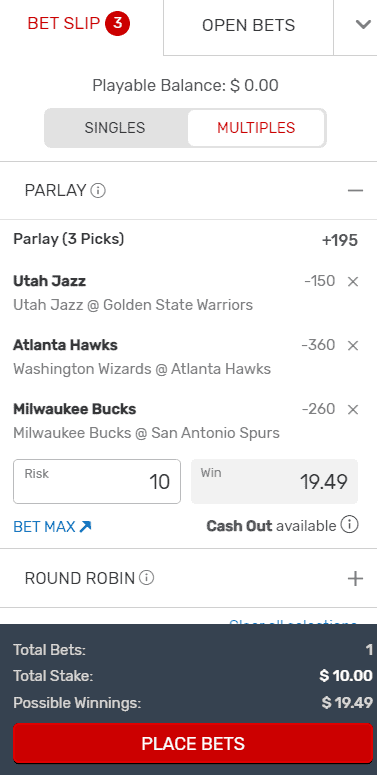
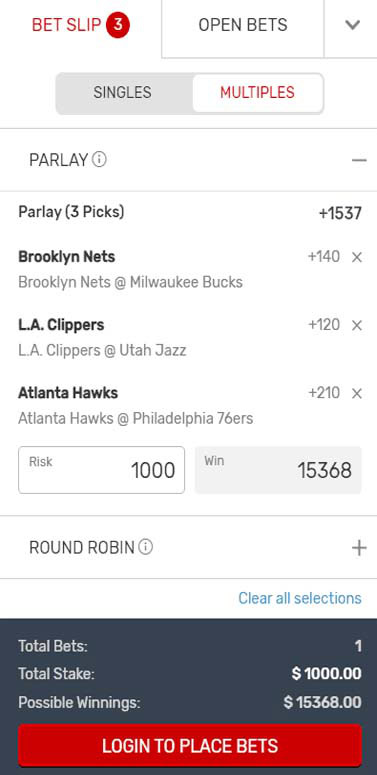
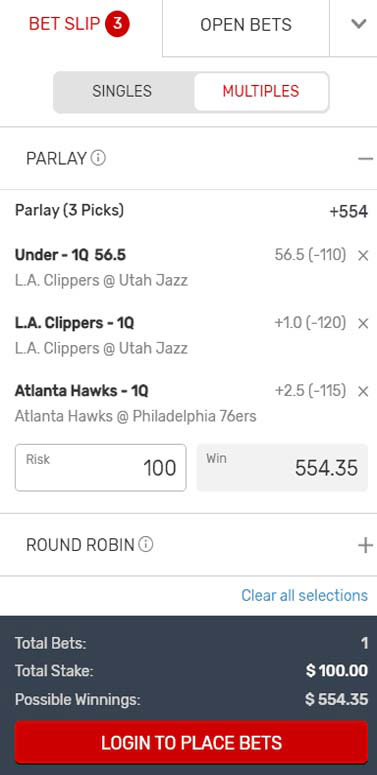
NCAAB Parlay Picks and Tips
Regular Season Strategy
During the regular season, college hoops betting benefits from huge nightly slates. Major conferences such as the ACC, Big Ten, and SEC can provide dozens of matchups, giving players plenty of opportunities to find value.
The challenge is variance. Team quality can swing much more dramatically than it does in the NBA, and mid-major programs can upset blue-blood schools on any given night. That unpredictability makes college basketball parlays riskier, but also more rewarding when bettors identify weak lines or undervalued teams.
Conference games are often a good place to start because scouting reports are more reliable and line movement is easier to track. Early-season non-conference games can be profitable, too, but they usually come with less dependable information.
March Madness Parlays
March Madness creates some of the biggest potential payouts on the basketball calendar. The single-elimination format also makes the tournament extremely volatile. Upsets are common, and a 12-seed beating a 5-seed is always on the table.
Many players build tournament legs around chalk picks to improve the chance of winning, but heavy favorites reduce the payout. A more balanced approach mixes a few safer favorites with one or two underdogs that offer real value. For example, a three-leg ticket could include two Elite Eight favorites and one Sweet Sixteen underdog at +200. If the plus-money team wins, the payout climbs quickly.
Things to Consider
Don’t Make Parlays Your Primary Betting Strategy
Parlays should not be the main bet type for players seeking steady returns. The math is straightforward: two legs at -110 on each leg carries a 27.78% implied win probability, compared to 52.38% for a single -110 wager.
A smarter approach is to bet with smaller stakes, especially when you are already ahead. The original guidance is to allocate 5-10% of a profitable month’s surplus to betting as an entertaining, upside-oriented activity. That keeps the big-payout potential without letting variance take over.
Limit Legs to Maximize Achievability
Avoid adding more than five outcomes unless you are comfortable with extremely long odds. Five legs at -110 on each leg has an implied win probability of about 3.1%, making it very difficult to hit consistently.
For a higher payout, consider a $30 risk with three legs instead of $10 on five. A round-robin ticket can also help because it allows one or more legs to lose while still giving you a chance to cash part of the card.
Two legs generally pay around +260, or 13-5 odds. That is not the same as the true +300 price, or 3-1, but the house edge is not as steep as it is with three, four, or more legs.
Use Them to Exploit Weak Lines
One advanced use of parlays is to identify a weak line and pair it with another strong pick to increase the payout. For example, if the market has the Lakers favored by 5 over the Suns, but one sportsbook lists the Suns +7 because of heavy Lakers action, that +7 is a valuable number.
The strongest move is usually to bet the weak line directly first. If you want more exposure, combining Suns +7 with another strong leg can increase the return while still anchoring the ticket around the best available price.
Basketball Betting Apps
Anyone with a smartphone or tablet connected to the internet can build basketball parlays from almost anywhere in the USA. The online sportsbooks recommended on this page are available on Apple and Android devices and provide access to NBA and NCAAB lines, props, live markets, and bet slips.
Web-Based Mobile Access
These mobile sportsbook platforms are web-based, so no download is required. The mobile versions carry over the main desktop features with clean menus, responsive bet slips, and odds calculators.
Players can build a ticket, review the odds, and place a wager in under 60 seconds through a mobile browser. The responsive design fits phones and tablets, keeping buttons, bet slips, and payout tools easy to use.
App vs. Browser Considerations
While some sportsbooks offer dedicated mobile apps, many USA-accessible offshore sportsbooks operate primarily through web browsers. Browser-based access is convenient because it requires no download, updates automatically, and works across devices. When a sportsbook does offer an app, it usually provides the same core functionality with slightly faster load times.
Banking Options
The sportsbooks featured on this page accept a wide range of banking methods, including USD and cryptocurrency. The US Dollar remains a common choice for deposits and withdrawals, while many experienced sports gamblers prefer crypto because it is fast, flexible, and often tied to stronger bonus offers.
Cryptocurrency Advantages
Bitcoin and other cryptocurrencies are usually the fastest banking options. Crypto withdrawals can be completed within the same day, while USD withdrawals typically take at least 24 hours to process.
Bonuses are often stronger when crypto is used for deposits. A sportsbook might offer a 50% deposit match for USD but a 60% match for Bitcoin, giving players an immediate 10% boost. Popular crypto options at major sportsbooks include Bitcoin (BTC), Bitcoin Cash, Cardano, Ripple, Tether, Ethereum, and Litecoin.
Deposit Methods
Most sportsbooks accept several deposit options. Credit and debit cards are the most common starting point for new players and can process instantly or within 24 hours. Wire transfers offer higher limits but usually take 2-5 business days. MoneyGram and Western Union are available for players who prefer money transfer services, while Zelle gives users with compatible banks another peer-to-peer option. Some sportsbooks also accept cashier’s checks, though they are slower than digital methods.
Withdrawal Methods
Withdrawals are typically handled through wire transfer, cashier’s check, or cryptocurrency. Wire transfers usually take 2-5 business days and may include bank fees. Crypto withdrawals are the fastest option and can often be completed within hours. Cashier’s checks are mailed and usually take 7-14 business days. Always check the sportsbook’s minimum and maximum withdrawal amounts before requesting a payout, since limits vary by operator and method.
Sportsbook Bonuses
Players looking for extra bankroll can use sportsbook bonus promotions when making deposits. Deposit match offers are available for first-time and repeat transactions and can reach $1,000 or more, depending on the sportsbook.
Welcome Bonus Structure
Most sportsbooks offer a welcome bonus to new players, usually as a percentage match on the first deposit. Bovada’s 50% match up to $1,000 means a $2,000 deposit earns an extra $1,000 in bonus funds, creating a $3,000 starting bankroll. Bookmaker’s 100% match up to $400 doubles the first deposit, making it a strong fit for smaller bankrolls.
These bonuses are credited after deposit and can be used on a wide range of wagers.
Playthrough Requirements
Bonus offers usually come with playthrough requirements before winnings can be withdrawn. A typical requirement might be 5x or 10x the bonus amount. That means a $1,000 bonus may require $5,000 to $10,000 in wagers before it is fully cleared.
These terms are designed to ensure bonus funds are used for actual betting. Once the conditions are met, the promotion can create extra bankroll for gambling, straight bets, props, or any other eligible markets.
Reload and Ongoing Bonuses
Beyond the welcome offer, many sportsbooks provide reload bonuses for existing players. These can include 25% or 50% deposit matches, free bet tokens, or special promotions tied to certain bet types.
Seasonal offers around March Madness, the NBA Playoffs, and the NBA Finals may include enhanced odds, free plays, or event-specific promos for qualifying players.
Crypto Deposit Bonuses
Sportsbooks increasingly reward cryptocurrency users with stronger bonuses. A book may offer a standard 50% match for USD deposits but increase that to 60% for Bitcoin. Some operators also provide crypto cashback, returning 2-5% of the deposit amount as bonus funds whether the bets win or lose.
Basketball Parlay Calculators
Understanding how parlay payouts work helps players compare sportsbooks and build smarter tickets. The odds are created by combining the odds of each individual leg. Sportsbooks may use their own algorithms, but in most cases, you can estimate the payout by converting each leg to decimal odds and multiplying them together.
Payout Calculation Formula
To calculate a payout manually, convert each leg’s American odds to decimal format, multiply all the decimal odds together, and convert the result back to American odds.
Every major sportsbook provides a free calculator. Players select their legs from the betting board, and the calculator instantly shows the potential return based on the current odds.
This removes manual math and makes it easier to compare payouts across books before committing money. Some calculators also allow players to adjust stake size in real time, helping them choose a bet amount that fits the bankroll.
FAQs
Additional Resources
- 1-800-GAMBLER for help with betting addiction